
How Coastal Air and Salt Humidity Affect Air Conditioning Contractors and AC Systems in Chesapeake, VA
Living near the Elizabeth River, the Intracoastal Waterway, or any of Chesapeake, VA's tidal waterways means your AC system works in one of the most corrosive environments in the mid-Atlantic. Homeowners throughout this coastal Hampton Roads city routinely turn to experienced air conditioning contractors to manage the specific wear that salt-laden air places on cooling equipment. Understanding what happens to your system can help you protect it before problems become expensive.
How Salt Air Damages AC Components
Salt air corrodes AC equipment faster than inland conditions typically allow. The Hampton Roads region sits at the confluence of the Chesapeake Bay, the Elizabeth River, and dozens of tidal creeks. Neighborhoods like Deep Creek, Greenbrier, and Indian River carry persistent marine humidity well inland, especially during the long Virginia summer.
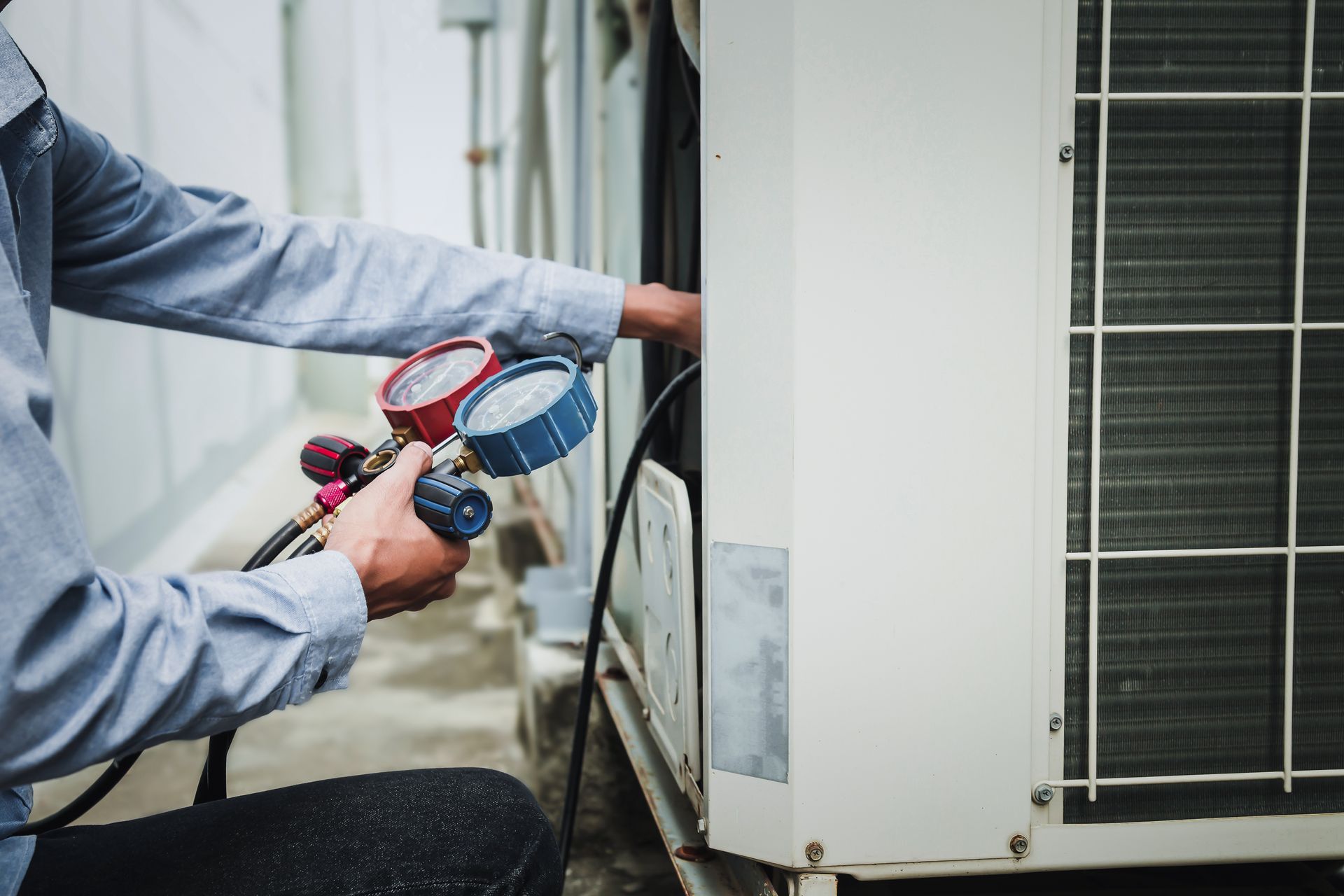
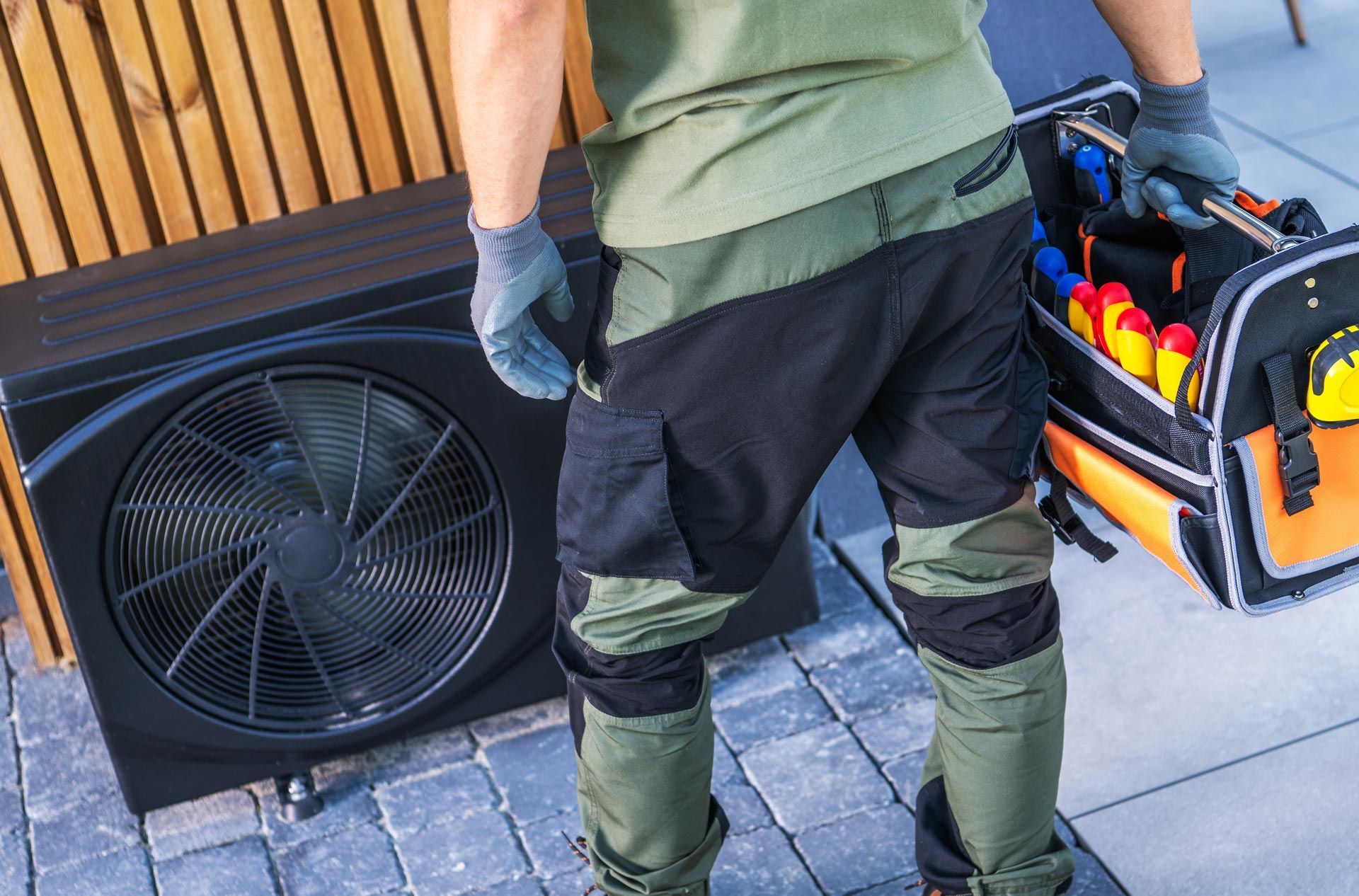
Salt particles settle on outdoor condenser coils and begin to oxidize the aluminum fins and copper tubing. Over time, this may reduce heat transfer efficiency and force the compressor to work harder. Refrigerant leaks from corroded coil joints are also more common in coastal zones than in piedmont or mountain Virginia climates, where salt exposure is minimal.
Electrical components can suffer too. Contactor points, capacitors, and wiring terminals may corrode faster when salt moisture is consistently present. This can lead to intermittent failures that are difficult to diagnose without a close inspection.
What Maintenance Intervals Should Chesapeake Homeowners Follow?
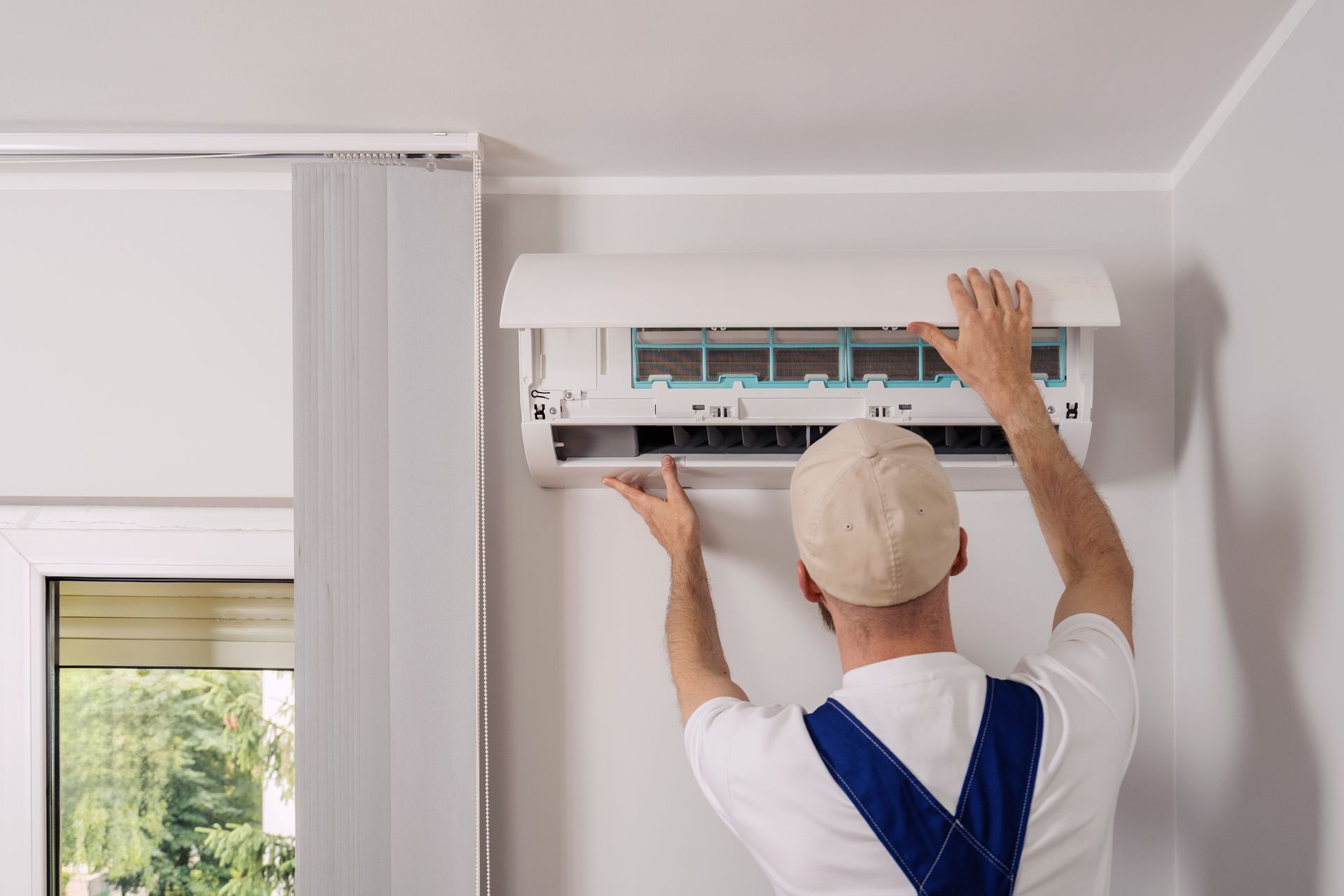
Coastal homeowners may benefit from more frequent professional service than the standard once-per-year schedule suggests. Air conditioning contractors in Chesapeake, VA, often recommend a pre-season inspection in the spring plus a mid-season coil rinse in August, when salt accumulation and humidity are at their peak.
Between professional visits, homeowners can take a few practical steps:
▸ Rinse the outdoor condenser fins gently with fresh water every four to six weeks during the cooling season.
▸ Keep vegetation and debris at least two feet from the unit to allow airflow and prevent moisture from trapping against fins.
▸ Inspect electrical disconnect boxes for rust or discoloration after heavy rain events.
▸ Replace air filters monthly rather than quarterly, since higher humidity causes filters to load faster.
Can Coil Coatings Help Protect Against Salt Corrosion?
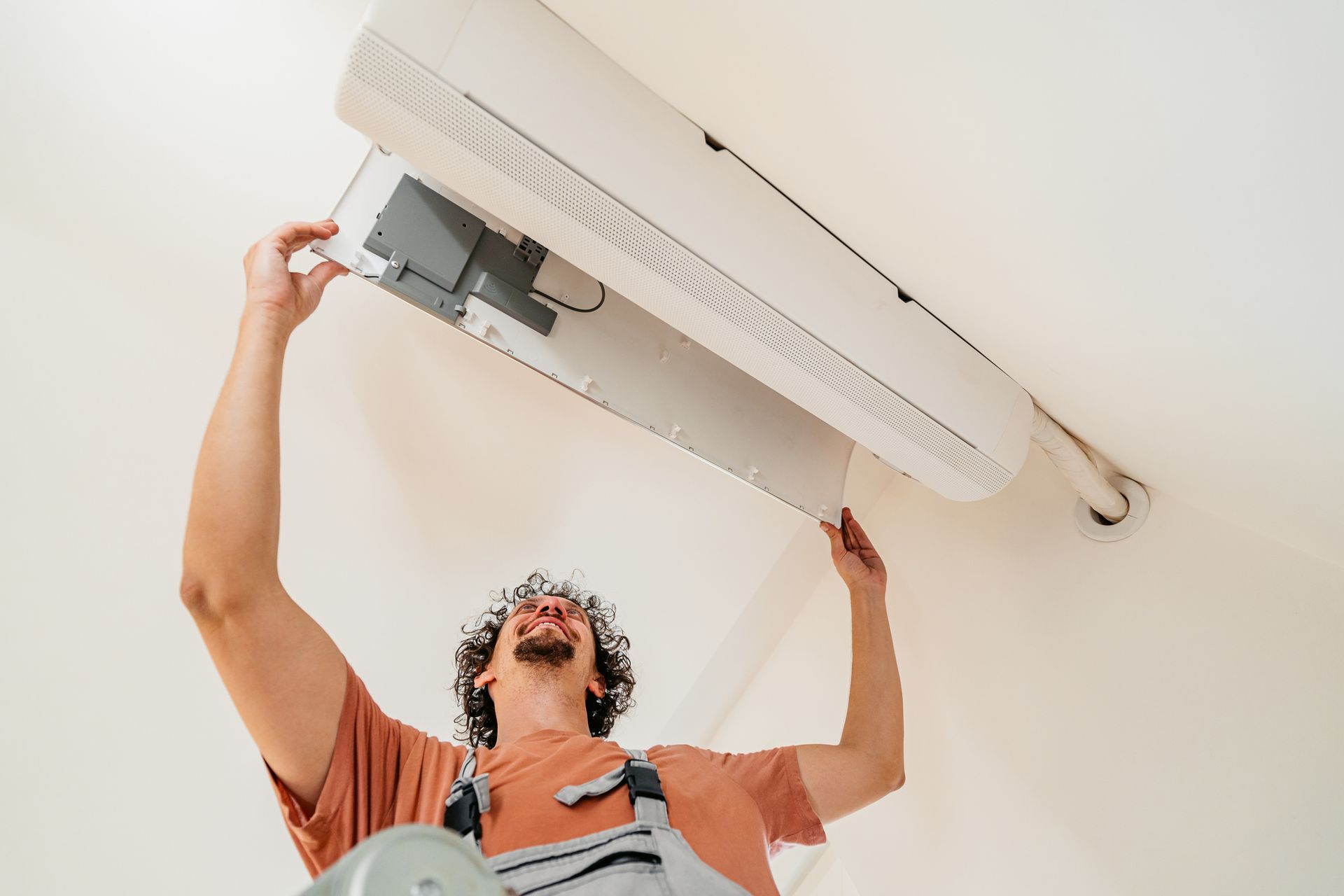
Yes, protective epoxy or polymer coil coatings may significantly slow corrosion on both evaporator and condenser coils. A qualified technician can apply these coatings during a routine service visit. They create a barrier between the metal surface and airborne salt particles, which can extend coil life in coastal Chesapeake conditions.
How Does High Humidity Affect Indoor Air Quality?
Persistent coastal humidity can push indoor relative humidity above the 50-60% comfort range. When an AC system struggles due to corroded coils or reduced efficiency, it may remove less moisture from the air. This can allow mold and mildew to develop in ducts, on air handler components, and in living spaces. Regular coil cleaning and timely repairs help the system maintain proper dehumidification throughout the summer.
Get Coastal-Ready AC Service in Chesapeake
Your cooling system may last significantly longer with a maintenance plan designed for Hampton Roads conditions. Sawyer Heating & Air Conditioning brings decades of local experience to every inspection, repair, and tune-up in the area. As dedicated air conditioning contractors serving Chesapeake and the surrounding Hampton Roads region, they understand how coastal conditions accelerate equipment wear. Call (757) 474-9002 or request service online to schedule your next visit. Find them on Google at Sawyer Heating & Air Conditioning and see why local homeowners have trusted this team for generations.